
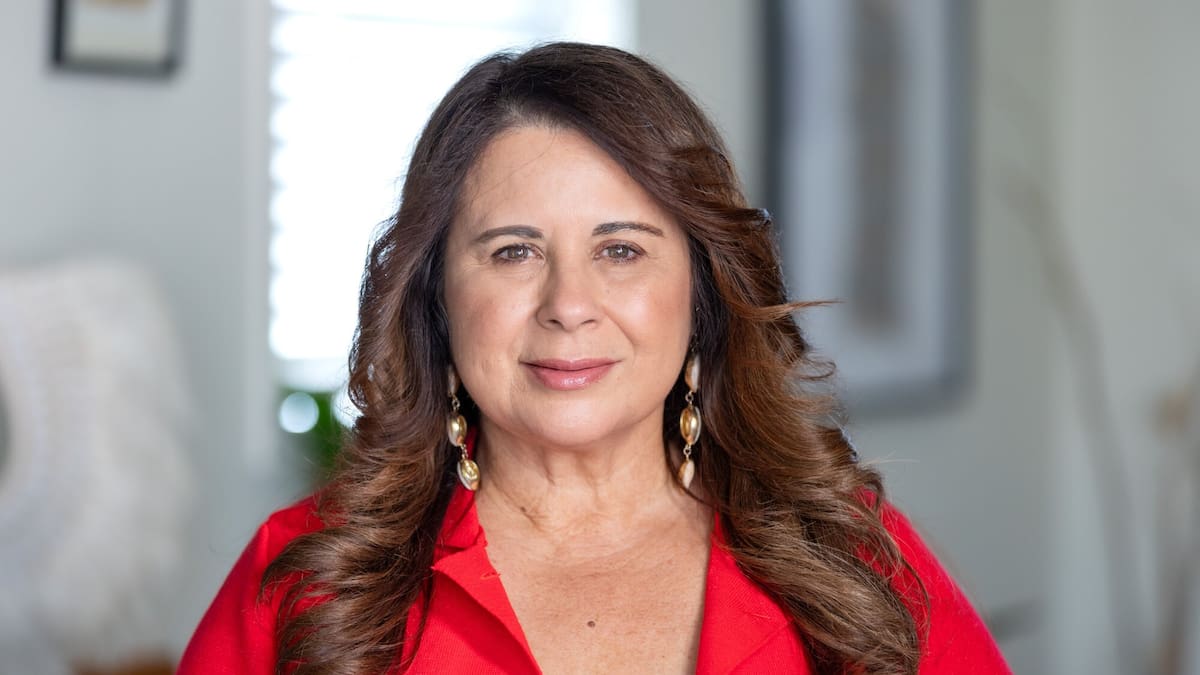
Barbara Dreaver on Journalism's Future and Being Brave
Trust in news in New Zealand has been falling for many years and now sits at 32%, according to the AUT research centre for Journalism, Media and Democracy. This figure sits well beneath the 2024 Reuters Digital News Report's international average of 47 countries, which stands at 40%.
Veteran journalist Barbara Dreaver describes this decline as worrying, particularly as trust shifts toward social media. The resourcing challenges facing news outlets also weigh heavily on her mind as organizations cut costs amid financial pressures.
A Career Built in the Pacific
A proud Kiribati-Cook Islander, Dreaver spent eight years in the Cook Islands, which she describes as her "stomping ground for becoming a good journo." Her early career there proved formative.
"I've been through more prime ministers in the Cook Islands than hot breakfasts," Dreaver told Real Life. "My first years as a journalist were in the Cook Islands. I learned how to break stories, and I co-owned a newspaper."
Working alongside publisher Jason Brown, she helped build the publication from two people and one computer into a successful operation. "People would leak us all sorts of documents, and that was really where I became a good journalist," she recalled.
Reporting Without Fear
Since those early days, Dreaver has faced numerous dangerous situations. She covered George Speight's failed coup in Fiji, was detained by police in Nauru, and nearly ran off the road while reporting on the meth trade in Samoa. She has also faced racist abuse, which has intensified with the rise of social media.
Her mantra in difficult moments, "be brave," became the title of her memoir. "Our job is to report without fear or favour. As a reporter, that's what you do," Dreaver explained. "I don't do it to be on television. I don't give a rats about my face being on it. But people who need a voice, I give them a voice, and that's really important."
Recognition and Hope
In 2024, Dreaver was made an Officer of the New Zealand Order of Merit for services to investigative journalism. Despite the challenges facing the industry, she remains hopeful about journalism's future.
"I know some really great journalists across the board, and I also know some incredible Pacific Island journalists, some of whom I've helped train. I know that's in good hands across the system," she said.
On maintaining relationships while holding power to account, Dreaver acknowledges the unique challenges of Pacific journalism. "In small communities, these are people who you have daily dealings with, and it's really hard. But then as you get older, you certainly get tougher and you know what's really important."